
Pungent gas over Mars fissures hints the planet is still volcanically active
The ExoMars Trace Gas Orbiter detected hydrogen chloride — a common volcanic gas on Earth — above the Alba Mons region.

The brief
- ■Hydrogen chloride detected in the low atmosphere over ancient fissures
- ■Suggests ongoing volcanism beneath the surface
- ■Raises the odds of subsurface conditions suitable for microbial life
Why it matters
An actively warm Mars means liquid water could exist underground — the single best place to look for life beyond Earth.
An orbiting atmospheric research spacecraft has detected hydrogen chloride, a pungent gas commonly released by volcanoes on Earth, above surface fissures along the massive ancient volcano Alba Mons on Mars.
Researchers said the finding, from the ExoMars Trace Gas Orbiter, suggests Earth's planetary neighbor is still volcanically active rather than geologically dead as long assumed.
The discovery has direct implications for the search for life: volcanic heat below the surface could keep water liquid and create conditions where microbes could survive.
Sources
- Reuters
More briefs
Science
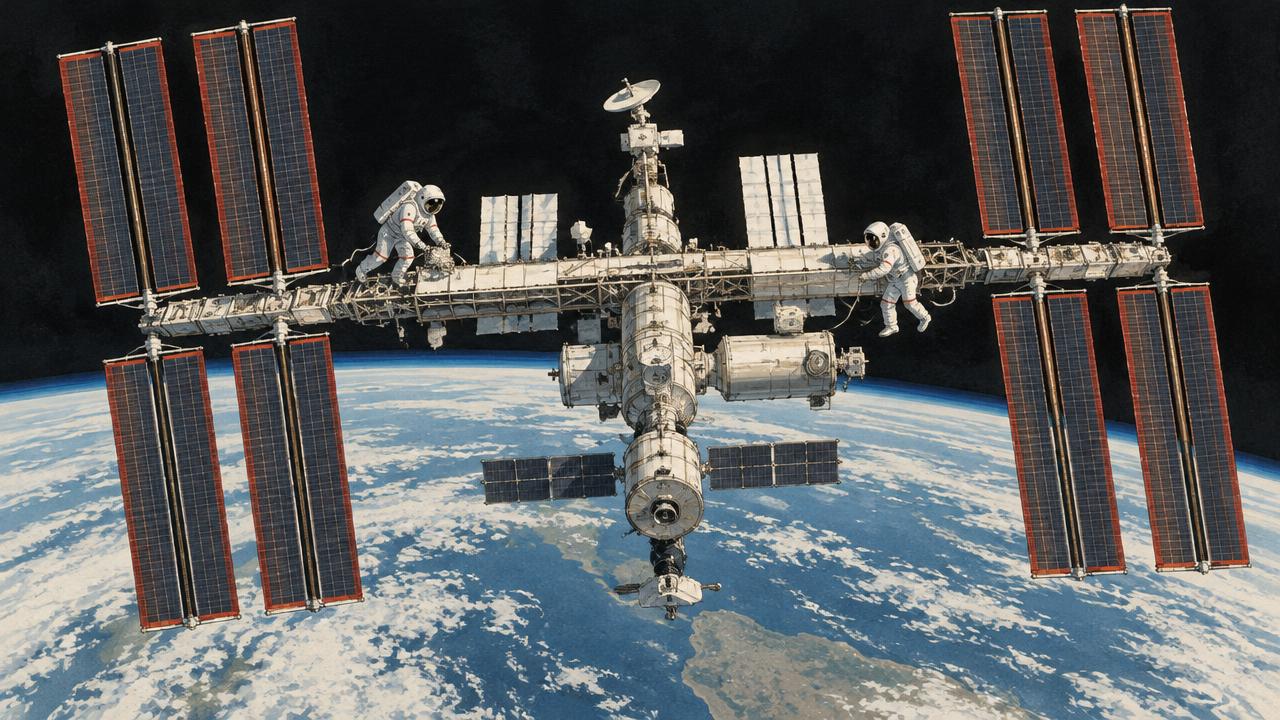
ISS spacewalk begins to install the final roll-out solar array
3h ago · 1 min brief
Science
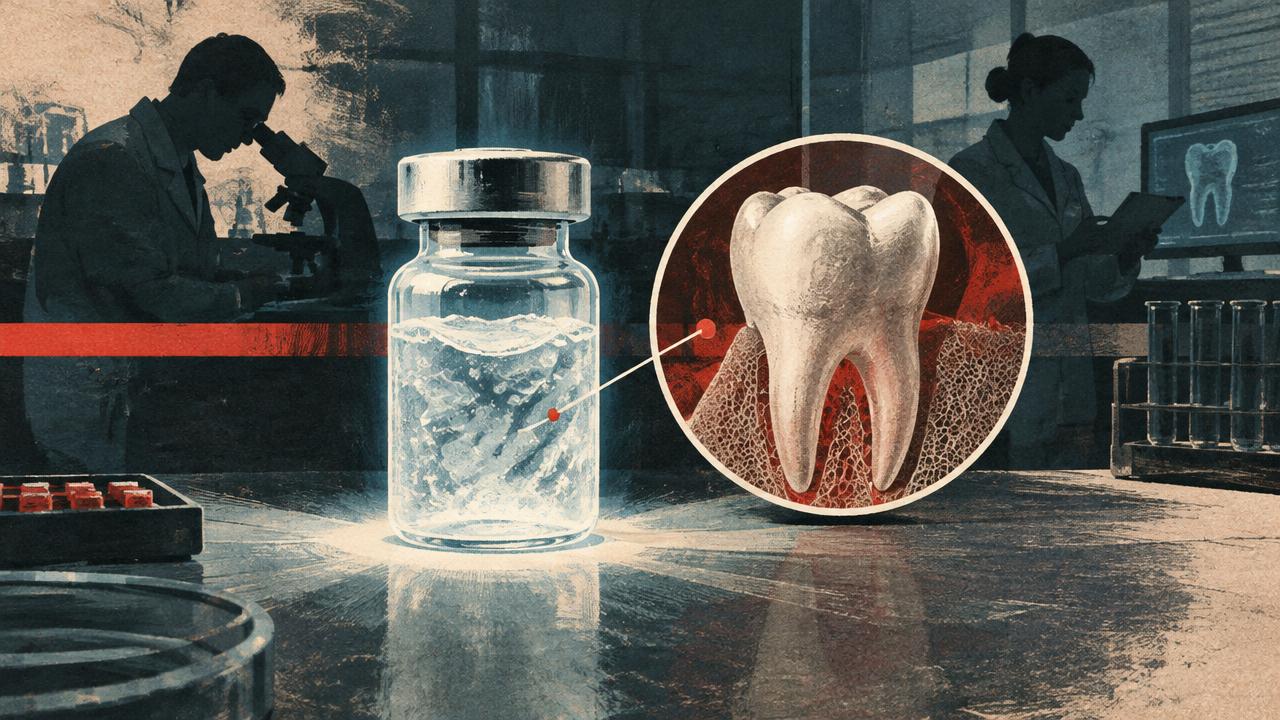
Scientists create a gel that could regrow tooth enamel
15h ago · 1 min brief

Culture
Pixar names Jonathan Garson president in January leadership change
3h ago · 1 min brief